


You’ve seen the headlines: “Eat zero carbs and melt fat overnight!” You scan grocery aisles hunting for foods with the lowest carbohydrates, only to discover contradictions: avocados labeled “low-carb” despite containing carbs, or “keto” snacks packed with processed ingredients. Meanwhile, friends thriving on sweet potatoes and oats leave you wondering: are carbs the enemy or essential fuel?
The truth lies not in extremes but in context. Carbohydrates aren’t inherently fattening; excess calories are. Yet for some people, reducing carbs creates a metabolic environment conducive to fat loss by lowering insulin levels, reducing appetite, and shifting the body toward fat oxidation. The key isn’t eliminating every gram of carbohydrate; it’s understanding which foods deliver minimal carbs while maximizing nutrients, and how to structure this approach sustainably without triggering rebound binges or nutrient deficiencies.
This guide moves beyond simplistic “avoid all carbs” dogma to explain the physiology behind low-carb eating, differentiate between total and net carbohydrates, and provide a realistic framework for incorporating low-carb principles, whether you’re aiming for therapeutic ketosis or simply reducing refined grains and sugars.
What “Low Carb” Actually Means: Ranges Matter More Than Rules
The term “low carb” lacks a universal definition because optimal intake varies by individual goals, activity levels, and metabolic health. Researchers generally categorize approaches this way:
- Ketogenic diets restrict carbohydrates to 20–50 grams of net carbs daily, low enough to trigger ketosis, where the body shifts from glucose to fat-derived ketones for fuel. This approach shows therapeutic promise for epilepsy, certain neurological conditions, and short-term weight loss, but requires medical supervision for extended use.
- Moderate low-carb diets provide 50–100 grams of net carbs daily. This range often supports sustainable weight loss for many people without the strictness of keto, allowing inclusion of berries, modest portions of legumes, and non-starchy vegetables without exiting ketosis for some individuals.
- Liberal low-carb approaches (100–150 grams daily) focus on eliminating refined sugars and grains while retaining nutrient-dense carbohydrate sources like sweet potatoes, oats, and fruit. This often proves most sustainable long-term for active individuals.
Crucially, these ranges refer to net carbohydrates, total carbs minus fiber and sugar alcohols. Fiber passes through the digestive system largely undigested, contributing minimal calories and not spiking blood sugar. A cup of broccoli contains 6 grams of total carbs but 2.5 grams of fiber, yielding just 3.5 grams of net carbs. This distinction transforms how we view vegetables: they’re not “high-carb” obstacles but nutrient-dense allies even on strict low-carb protocols.
Foods Naturally Near Zero Carbohydrates: The Foundation
Certain whole foods contain negligible carbohydrates because they’re composed primarily of protein, fat, or water, making them staples of low-carb eating without requiring processing or fortification.
Animal proteins lead this category. Beef, pork, poultry, lamb, and organ meats like liver contain zero carbohydrates when unprocessed. The same applies to fish and shellfish, salmon, cod, shrimp, and mussels, which deliver protein and omega-3 fatty acids without carbs. Eggs, nature’s complete protein package, also register zero carbs. These foods form a satiating foundation because protein and fat trigger the release of peptide YY and GLP-1, gut hormones that signal fullness to the brain, often reducing spontaneous calorie intake without conscious restriction.
Fats and oils are inherently carb-free. Olive oil, avocado oil, coconut oil, butter, ghee, and lard provide concentrated energy and aid the absorption of fat-soluble vitamins (A, D, E, K). Avocados deserve special mention: though technically containing 12 grams total carbs per fruit, their 9 grams of fiber yield just 3 grams net carbs alongside monounsaturated fats and potassium, making them a nutrient powerhouse rather than a carb liability.
This doesn’t mean constructing meals solely from bacon and butter. Rather, these zero-carb foundations anchor plates that also include low-carb vegetables, creating balanced meals that satisfy hunger while minimizing blood sugar impact.
Low-Carb Vegetables: Volume Without the Spike

Non-starchy vegetables deliver vitamins, minerals, and phytonutrients with minimal net carbs, enabling generous portions without exceeding daily limits. Leafy greens like spinach, kale, and romaine contain just 1–2 grams of net carbs per cup raw, allowing large salads without carb anxiety. Cruciferous vegetables, such as broccoli, cauliflower, and Brussels sprouts, provide 3–4 grams of net carbs per cooked cup alongside sulforaphane, a compound with anti-inflammatory properties.
Other low-carb standouts include zucchini (3g net carbs per cup sliced), asparagus (2g net carbs per 6 spears), bell peppers (4g net carbs per half cup), and mushrooms (2g net carbs per cup). These vegetables add texture, color, and micronutrients often missing in ultra-restrictive approaches. Their fiber content also feeds beneficial gut bacteria, a critical consideration since extreme carb restriction can reduce microbial diversity if fiber intake plummets.
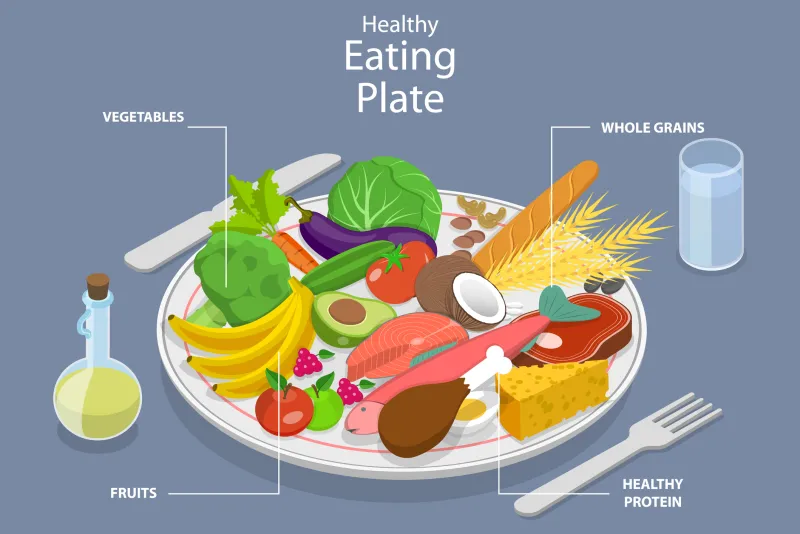
This explains why sustainable low-carb eating emphasizes vegetables rather than eliminating plant foods entirely. A plate with grilled salmon, roasted broccoli, and a side salad delivers under 10 grams of net carbs while providing omega-3s, vitamin C, folate, and fiber far superior to a “zero-carb” meal of steak alone.
Smart Low-Carb Snacking: Beyond Processed “Keto” Bars
The search for snacks with no carbs often leads to highly processed products loaded with sugar alcohols, artificial sweeteners, and isolated fiber ingredients that may cause digestive distress or perpetuate sugar cravings. Real-food alternatives prove more satisfying and nutritionally sound.
A handful of macadamia nuts delivers healthy monounsaturated fats with just 2 grams of net carbs per ounce, lower than almonds or cashews. Celery sticks filled with almond butter provide crunch and fat with minimal carbs. Hard-boiled eggs offer portable protein without planning. Olives, pickles (fermented without added sugar), and seaweed snacks deliver savory satisfaction with negligible carbs.
For those craving something creamy, full-fat Greek yogurt (unsweetened) contains about 6 grams of net carbs per ¾ cup acceptable within moderate low-carb ranges and rich in protein and probiotics. Cottage cheese offers similar benefits. These options outperform “keto” cookies made with maltitol, which can spike blood sugar in sensitive individuals despite marketing claims.
The principle: prioritize whole, single-ingredient foods over engineered substitutes. Your digestive system and long-term adherence will thank you.
What Carbs to Eat When Including Them: Quality Over Elimination
Even within low-carb frameworks, strategic carbohydrate inclusion supports sustainability and performance, especially for active individuals. The question isn’t whether to eat carbs but which carbs deliver maximum nutrition per gram.
Fiber-rich, low-glycemic sources should take priority. Berries, such as raspberries, blackberries, and strawberries, contain 4–6 grams of net carbs per half cup alongside anthocyanins, antioxidants linked to reduced inflammation. Legumes like lentils and chickpeas, while higher in carbs, provide resistant starch that feeds gut bacteria and blunts blood sugar response when consumed in modest portions (¼ cup cooked). Sweet potatoes deliver vitamin A and potassium with slower glucose release than white potatoes due to their fiber content.
Timing matters too. Consuming these nutrient-dense carbs around workouts before for energy or after for glycogen replenishment minimizes blood sugar spikes while supporting recovery. This approach, sometimes called “targeted low-carb,” allows flexibility without abandoning the metabolic benefits of overall carb reduction.
Crucially, these foods differ fundamentally from refined carbohydrates, such as white bread, sugary cereals, and pastries that deliver empty calories, spike insulin rapidly, and trigger subsequent crashes that drive hunger. Low-carb eating succeeds not by eliminating all carbs but by removing these processed sources while retaining or strategically incorporating nutrient-dense options.
Low-Carb for Weight Loss: Mechanisms and Realistic Expectations
Low-carb diets often produce rapid initial weight loss, but understanding why prevents disappointment when the scale slows. The first 2–5 pounds typically represent water weight. Carbohydrates bind water in muscles and the liver (approximately 3 grams of water per gram of glycogen). Depleting glycogen stores releases this water dramatic but temporary.
True fat loss follows through several mechanisms. Lower insulin levels, the hormone that shuttles glucose into cells and signals fat storage, allow adipose tissue to release fatty acids for energy. Reduced insulin also decreases sodium reabsorption in the kidneys, promoting mild diuresis that further contributes to early scale drops. Appetite suppression plays a key role: protein and fat increase satiety hormones while stabilizing blood sugar, often reducing spontaneous calorie intake by 200–500 calories daily without conscious restriction.
Research supports modest advantages. A 2018 BMJ meta-analysis found low-carb diets produced slightly greater weight loss than low-fat diets at 6 months (approximately 2–3 pounds more), but differences vanished by 12 months as adherence waned. This highlights the critical factor: sustainability. The “best” diet is the one you can maintain long-term, not the one producing the fastest initial results.
For lasting success, low-carb eating must integrate into lifestyle without social isolation or obsessive tracking. This means enjoying restaurant meals by requesting extra vegetables instead of potatoes, keeping low-carb snacks accessible for travel, and occasionally including modest carbs during celebrations without guilt-induced binges.
Sustainability Considerations: Avoiding Common Pitfalls
Many abandon low-carb eating due to preventable side effects often called “keto flu,” fatigue, headaches, and irritability during the first 1–2 weeks. This stems not from carb withdrawal but from electrolyte imbalances. As insulin drops, kidneys excrete more sodium, carrying potassium and magnesium with it. Symptoms often resolve with simple interventions: adding salt to meals, consuming broth, eating potassium-rich avocado and leafy greens, and considering magnesium glycinate supplementation.
Fiber intake requires conscious attention. Eliminating grains and legumes without replacing their fiber can cause constipation. Solution: double down on non-starchy vegetables, include chia or flax seeds (1–2 tablespoons daily), and stay hydrated. These provide fermentable fibers that support gut health without significant carb impact.
Social sustainability matters equally. Rigid avoidance of all carb-containing foods creates isolation at gatherings. A flexible approach prioritizing low-carb choices most days while occasionally enjoying a small portion of rice or dessert without guilt often proves more maintainable than perfectionism. The goal isn’t purity; it’s consistent patterns that support health without deprivation.
Who Should Approach Low-Carb Cautiously
While beneficial for many, low-carb eating isn’t universally appropriate. Competitive endurance athletes relying on glycogen stores for performance may experience reduced output on very low-carb diets. Individuals with thyroid disorders, particularly hypothyroidism, sometimes experience worsened symptoms due to reduced conversion of T4 to the active T3 hormone. Those with histories of disordered eating may find rigid carb restriction triggering obsessive thoughts or binge cycles.
Pregnant and breastfeeding women require adequate carbohydrate intake for fetal brain development and milk production, typically 175+ grams daily according to the Institute of Medicine. Anyone with kidney disease should consult a nephrologist before significantly increasing protein intake.
These aren’t reasons to dismiss low-carb eating entirely, but reminders that personalization matters. Work with a registered dietitian to tailor approaches to your physiology, goals, and lifestyle.
Conclusion: Low-Carb as a Tool, Not a Dogma
Foods with the lowest carbohydrates, meats, fish, eggs, non-starchy vegetables, and healthy fats offer a powerful template for reducing processed foods, stabilizing blood sugar, and supporting weight loss. But their value emerges not from carb elimination alone but from what they add: nutrient density, satiety, and metabolic flexibility.
The healthiest approach isn’t rigid adherence to arbitrary carb limits but mindful selection: minimizing refined sugars and grains while embracing vegetables, quality proteins, and natural fats. For some, this means 30 grams of net carbs daily; for others, 100 grams with strategic inclusion of berries or sweet potatoes. Both can work when aligned with individual needs and sustained over time.
True success isn’t measured by how few carbs you eat; it’s measured by consistent energy, stable mood, enjoyable movement, and a relationship with food that supports long-term vitality. Low-carb principles can contribute to that outcome when applied flexibly, compassionately, and with attention to overall nutritional quality, not just carb counts.
⚠️ Medical disclaimer: This article provides educational information only. Significant dietary changes may affect medication needs (especially diabetes medications) and should be undertaken with guidance from a physician or registered dietitian. Low-carb diets are not appropriate for everyone. Consult a healthcare professional before making substantial changes to your eating pattern.