


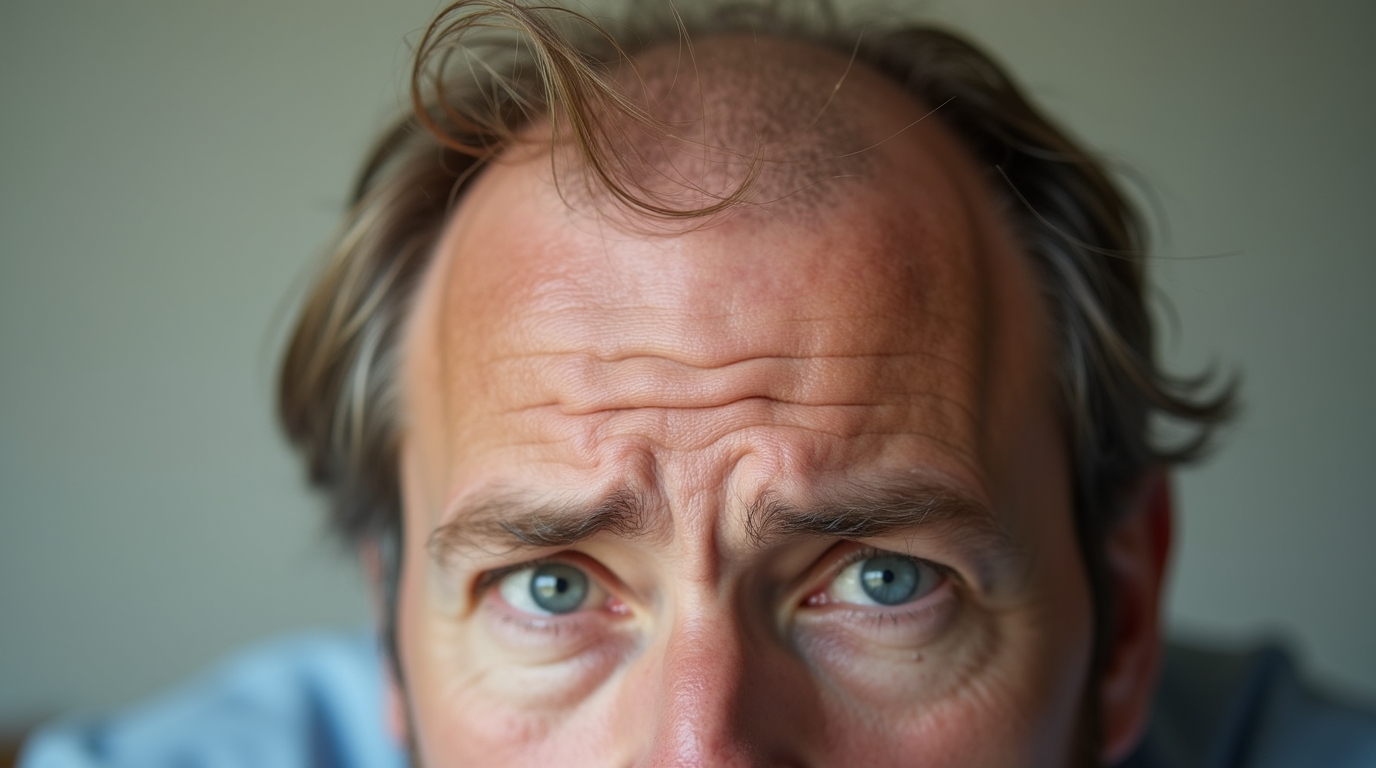
You notice more hair in the shower drain. Your part widens. The mirror shows a receding hairline you can’t ignore. You Google “hair loss therapies” and drown in conflicting claims: miracle serums, celebrity-endorsed lasers, “breakthrough” drugs still in trials.
Here’s what board-certified dermatologists want you to know: Effective hair loss treatment exists, but it requires matching the right therapy to your specific cause, managing expectations, and starting early. Androgenetic alopecia (male/female pattern baldness) won’t reverse overnight, but evidence-based interventions can slow progression, thicken existing hairs, and—sometimes—regrow lost follicles.
This guide cuts through marketing noise with clinical reality. We’ll detail FDA-approved medications with decades of data, explain emerging options without hype, and clarify when procedures like transplants make sense. Most importantly, you’ll learn why diagnosis comes before treatment—because applying minoxidil to telogen effluvium (stress-related shedding) wastes months when the real fix is addressing iron deficiency or thyroid dysfunction.
Why Diagnosis Matters: Not All Hair Loss Is the Same
Before discussing therapies, understand your type—treatments effective for one cause may fail (or worsen) another:
| Type | Cause | Key Clues | Treatment Approach |
| Androgenetic Alopecia (Pattern Baldness) | Genetic sensitivity to DHT (dihydrotestosterone) | Men: Receding temples + crown thinning
Women: Widening part + diffuse thinning |
DHT blockers (finasteride), minoxidil, transplants |
| Telogen Effluvium | Stress, illness, crash dieting, postpartum | Sudden shedding 2–4 months after trigger; reversible | Address root cause (nutrition, stress); minoxidil optional |
| Alopecia Areata | Autoimmune attack on follicles | Sudden round bald patches; may affect eyebrows/lashes | Corticosteroid injections, JAK inhibitors (newer) |
| Traction Alopecia | Tight hairstyles pulling follicles | Hairline recession at temples/forehead | Stop traction; early-stage may reverse with minoxidil |
⚠️ Critical first step: See a dermatologist for proper diagnosis. Up to 30% of women with “female pattern baldness” actually have underlying thyroid disease or iron deficiency (Journal of the American Academy of Dermatology, 2018). Treating the deficiency—not applying minoxidil—resolves shedding.
FDA-Approved Therapies: The Gold Standard
These treatments have 20+ years of clinical data supporting efficacy and safety profiles:
1. Minoxidil (Rogaine® and generics)
- How it works: Originally a blood pressure drug; the exact mechanism for hair growth remains unclear, but it may prolong the anagen (growth) phase and increase blood flow to follicles
- Forms: 2% (women), 5% foam/solution (men/women), prescription 10–15% compounded
- Efficacy:
- 40% of men see moderate regrowth after 6 months (Journal of the American Academy of Dermatology, 2002)
- Works best on the crown; limited efficacy for receding hairlines
- Women often respond better than men to 2% formulation
- Timeline:
- Months 1–2: Shedding phase (normal—dormant hairs make way for new growth)
- Months 3–4: Fine “peach fuzz” appears
- Months 6–12: Visible thickening
- Catch: Must use indefinitely. Stopping reverses gains within 3–6 months.
- Side effects: Scalp irritation (foam less irritating than liquid); rare facial hair growth in women
2. Finasteride (Propecia®) – Men Only
- How it works: Blocks 5-alpha-reductase Type II enzyme, reducing scalp DHT by ~70%
- Dose: 1mg daily oral tablet (prescription)
- Efficacy:
- 83% of men maintain or improve hair density after 2 years (Journal of the American Academy of Dermatology, 1998)
- Most effective for crown/mid-scalp; modest effect on hairline
- Works best when started early (Norwood II–III)
- Timeline: 3–6 months to halt shedding; 12+ months for visible regrowth
- Side effects:
- 1.8–3.8% report sexual dysfunction (libido loss, ED) in clinical trials—most resolve after discontinuation (JAMA Dermatology, 2012)
- Post-finasteride syndrome (persistent symptoms after stopping) remains controversial; incidence <0.1% per large studies
- Critical note: Not FDA-approved for women—especially contraindicated in pregnancy (risk of fetal genital abnormalities)
3. Dutasteride (Avodart®) – Off-Label for Hair Loss
- How it works: Blocks both Type I and Type II 5-alpha-reductase, reducing DHT by ~90% vs. finasteride’s 70%
- Status: FDA-approved for prostate enlargement; used off-label for hair loss when finasteride fails
- Efficacy: Slightly superior to finasteride in head-to-head trials (British Journal of Dermatology, 2014)—but with potentially higher side effect risk
- Use case: Typically reserved for finasteride non-responders under dermatologist supervision
4. Spironolactone – Women Only
- How it works: Anti-androgen that blocks testosterone receptors (doesn’t lower DHT like finasteride)
- Dose: 50–200mg daily oral (prescription)
- Efficacy: Modest improvement in female pattern hair loss; best combined with minoxidil
- Side effects: Menstrual irregularities, breast tenderness, fatigue; requires potassium monitoring
- Note: Not FDA-approved for hair loss—used off-label by dermatologists
Emerging & Adjunctive Therapies: Evidence vs. Hype
Topical Anti-Androgens (Clascoterone)
- Status: Phase 3 trials completed (2023); not yet FDA-approved for hair loss
- Promise: Blocks androgen receptors topically—potentially avoiding systemic side effects of oral finasteride
- Reality: Early data show modest efficacy; unlikely to match oral finasteride’s potency but may suit side effect-sensitive patients
- Timeline: Possible FDA approval 2025–2026 if trials confirm safety/efficacy
Low-Level Laser Therapy (LLLT)
- Devices: FDA-cleared laser caps/combs (e.g., iRestore, Capillus)
- Evidence: Modest benefit in clinical trials—~10–20% increase in hair count after 6 months (Lasers in Surgery and Medicine, 2014)
- Best for: Early-stage thinning as an adjunct to minoxidil/finasteride—not a standalone solution
- Cost: $300–$2,000 upfront + 6-month commitment
Platelet-Rich Plasma (PRP)
- Procedure: Blood drawn → centrifuged to concentrate platelets → injected into scalp
- Evidence: Mixed results. Some studies show 20–30% improvement in hair density after 3 sessions (Dermatologic Surgery, 2015); others show minimal benefit
- Best candidates: Early androgenetic alopecia; not effective for completely bald areas
- Cost: $1,500–$3,000 for initial series; maintenance sessions every 6–12 months
Hair Transplants: FUE vs. FUT
- How it works: Moves DHT-resistant follicles from the back/sides of the scalp to thinning areas
- FUT (Follicular Unit Transplant): Strip of scalp removed → dissected into grafts → linear scar hidden by hair
- FUE (Follicular Unit Extraction): Individual follicles extracted → no linear scar but thousands of tiny dots; better for short hairstyles
- Critical reality:
- Transplants redistribute existing hair—they don’t create new follicles
- Must continue medical therapy (finasteride/minoxidil) post-transplant to protect non-transplanted hairs
- Best results require sufficient donor density (Norwood VI–VII often poor candidates)
- Cost: $4,000–$15,000+ depending on graft count
Therapies With Limited or No Evidence

- Essential oils (rosemary, peppermint): One small study showed rosemary oil may match 2% minoxidil after 6 months—but lacks large-scale validation. Risk of scalp irritation.
- Biotin supplements: Only help if you have a documented biotin deficiency (rare). Won’t stop genetic baldness.
- “Hair growth” shampoos: Cannot deliver active ingredients deep enough to the follicles. May improve scalp health, but it won’t regrow hair.
- Stem cell/exosome clinics: Largely unproven; the FDA has issued warnings about unapproved “stem cell” hair loss treatments.
💡 Rule of thumb: If a product claims “regrowth in 30 days” or “no side effects,” it’s likely ineffective. Real hair regrowth takes 6–12 months minimum.
A Realistic Treatment Timeline
| Timeframe | What to Expect | Action Required |
| Months 1–2 | Shedding phase (minoxidil); no visible change (finasteride) | Do not quit. Shedding means dormant hairs are cycling out. |
| Months 3–4 | Fine vellus hairs appear; shedding slows | Continue therapy consistently—results compound over time. |
| Months 6–9 | Visible thickening in crown/mid-scalp; hairline may show subtle improvement | Take monthly photos under consistent lighting to track progress. |
| Months 12+ | Peak results for medical therapy; transplants show final density at 12–18 months | Maintenance phase: continue medications indefinitely to sustain gains. |
When to See a Dermatologist (Not Google)
Consult a board-certified dermatologist specializing in hair loss if:
- You’re shedding >100 hairs/day for >3 months
- You notice sudden bald patches (alopecia areata)
- Over-the-counter minoxidil shows zero improvement after 6 months of consistent use
- You’re considering finasteride/dutasteride and want a personalized risk assessment
- You have scalp redness, scaling, or pain (signs of an inflammatory condition)
⚠️ Red flag clinics: Avoid providers who push expensive “stem cell” packages without proper diagnosis or who dismiss FDA-approved therapies in favor of unproven injections.
The Bottom Line: Manage Expectations, Start Early
Hair loss therapies work best when:
- Started at the first signs of thinning (not when completely bald)
- Matched to your specific diagnosis
- Used consistently for 6–12 months minimum
- Combined (e.g., finasteride + minoxidil = synergistic effect)
No treatment restores a full head of hair to a Norwood VI balding pattern. But for early-stage loss, medical therapy can often maintain existing hair for decades—and sometimes regrow meaningful density. Transplants provide cosmetic improvement when medical therapy plateaus.
Most importantly: Hair loss doesn’t define your worth. But if it impacts your confidence, evidence-based options exist—without falling for miracle cures. Work with a dermatologist, commit to the timeline, and protect the hair you still have.
⚠️ Medical disclaimer: This article provides educational information only. Hair loss treatments like finasteride and minoxidil require a prescription and medical supervision. Consult a board-certified dermatologist for diagnosis and personalized treatment planning. Do not start, stop, or adjust medications based on online information alone.