


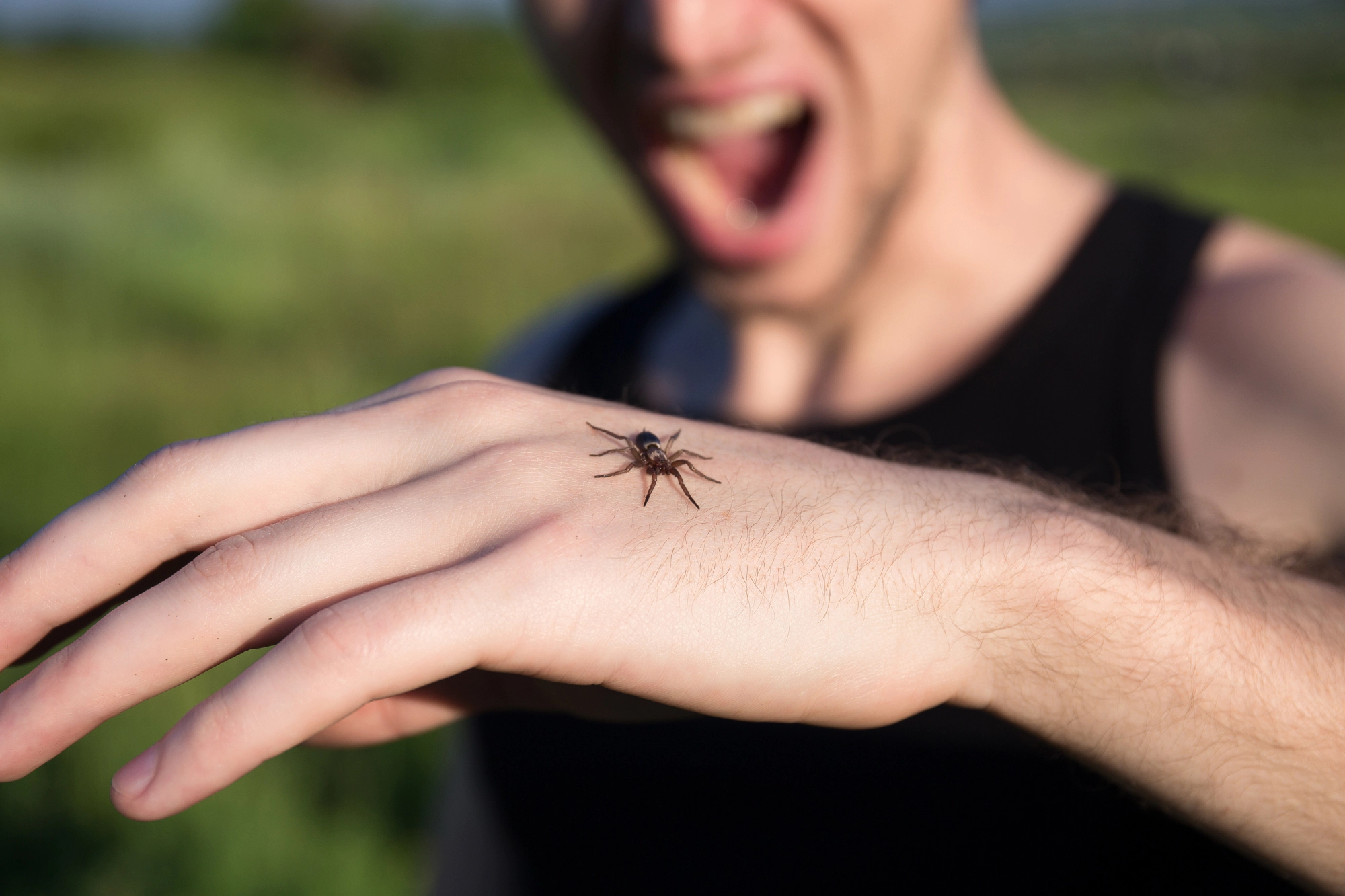
You wake up with a red bump on your calf. Your roommate glances at it and says, “Whoa—spider bite!” You spend the next hour Googling “spider bites on leg” while imagining venom spreading through your bloodstream.
Stop. Take a breath.
Here’s what arachnologists and dermatologists want you to know: Most “spider bites” aren’t from spiders—and most spiders can’t even bite humans.
A landmark study in the Annals of Emergency Medicine found that 80% of cases diagnosed as “spider bites” were actually infections (like MRSA), bed bug bites, or other skin conditions. Spiders are shy, non-aggressive creatures that bite only as a last resort—and many common household species have fangs too small to pierce human skin.
This guide cuts through viral misinformation (yes, we’ll debunk the “3 dots spider bite” myth) and gives you science-backed tools to assess bites calmly, accurately, and without panic.
Why Most “Spider Bites” Aren’t Spider Bites
Spiders get blamed for bites they didn’t commit—here’s why:
🕷️ Spiders avoid humans
Unlike mosquitoes or bed bugs, spiders don’t seek us out for blood meals. They’re predators of insects—not us. Bites usually occur only when a spider is trapped against skin (e.g., rolling onto one in bed).
🕷️ They’re terrible at biting us
Many common house spiders (jumping spiders, cellar spiders) have chelicerae (fangs) too short to penetrate human skin. What feels like a “bite” may be a defensive pinch that doesn’t break skin.
🕷️ The “scavenger effect”
Spiders often crawl toward warmth and moisture—including existing wounds or infections. Finding a spider near a bite doesn’t mean it caused it; it may have arrived later to feed on bacteria or dead tissue.
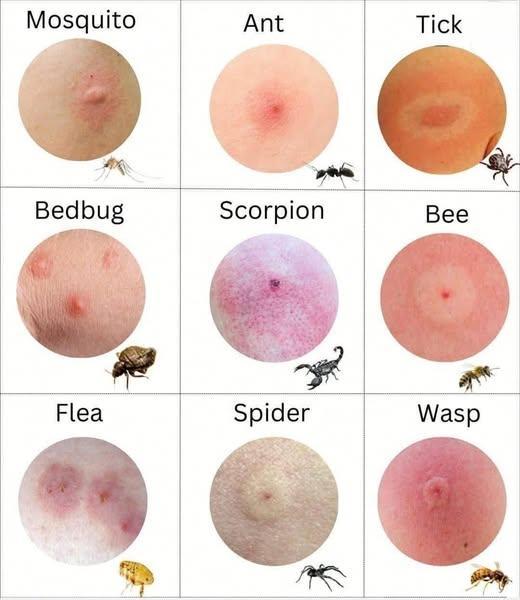
Most common mimics of “spider bites”:
- MRSA/staph infections: Start as pimple-like bumps that rapidly swell, redden, and become painful
- Bed bug bites: Clusters on exposed skin (wrists, neck), intense itching, no central puncture
- Flea/mite bites: Ankles/feet, intense itching, often in groups of 3–4
- Cellulitis: Spreading redness + warmth + fever (bacterial skin infection)
🚨 Critical insight: If you didn’t see a spider bite you—and the “bite” is painful, swollen, or worsening after 24 hours—it’s almost certainly not a spider.
Non-Poisonous Spider Bites: What They Actually Feel Like
Let’s clarify terminology first: All spiders are venomous (they inject venom via fangs), but none are poisonous (harmful when touched/eaten). Only a handful have venom medically significant to humans.
For the 99% of spiders you’ll encounter indoors:
- Sensation: Mild pinprick or sting—less painful than a mosquito bite
- Appearance: Small red bump (2–5mm), possibly with faint fang marks
- Itching? Mild to none. Intense itching suggests mites, fleas, or allergic reaction—not spiders.
- Timeline: Resolves completely within 24–48 hours without intervention
Dangerous Spiders in the U.S.: Facts vs. Fear
Only two spiders in North America warrant medical attention—and both have limited ranges:
Black Widow (Latrodectus spp.)
- Range: Southern and western U.S. (not Midwest/Northeast)
- Venom type: Neurotoxic (affects nervous system)
- Bite sensation: Sharp pinprick → within 30–60 min: muscle cramps (abdomen/back), sweating, nausea
- Skin appearance: Usually no significant skin reaction—the danger is systemic, not local necrosis
- Risk level: Rarely fatal with modern care; antivenom available
Brown Recluse (Loxosceles reclusa)
- Range: Central/southern U.S. ONLY (Kansas to Texas, east to Georgia). They do NOT live in California, Florida, or the Northeast—yet “bites” are misdiagnosed there daily.
- Venom type: Necrotic (destroys tissue)
- “Red, white, and blue” sign: Bite site develops pale center (white) surrounded by red ring + blue/purple outer ring
- Timeline: Pain may be mild initially → 24–72 hrs: blister forms → 3–7 days: possible skin ulceration
- Risk level: Severe reactions rare; most heal without intervention
Myth busting: Brown recluse bites do not always cause necrosis. Studies show >90% heal without scarring when properly cared for.
Spider Bite Symptoms by Body Location
Where a “bite” appears often drives misdiagnosis:
- Leg/foot “bites”: Spiders don’t target extremities. Red, painful bumps on legs/feet are far more likely MRSA or cellulitis—especially if warm to touch or expanding.
- Bedroom/household “bites”: If multiple people in the home have bites, think bed bugs or fleas—not spiders (which don’t bite repeatedly).
- Finger/hand “bites”: Day 1 spider bite on finger is uncommon. More likely: ant sting, splinter infection, or herpetic whitlow (viral).
🔍 Key question: Did you see the spider bite you? If not, assume another cause until proven otherwise.
Viral Myths Debunked (With Science)
“3 dots spider bite”
→ FALSE. No spider leaves triple punctures. This pattern typically comes from:
- Mite bites (e.g., chiggers)
- Folliculitis (infected hair follicles)
- Flea bites in a line
“Spider bite turned black”
→ Usually indicates necrotizing infection (MRSA) or poor blood flow—not spider venom. Brown recluse bites can cause necrosis in endemic areas, but black discoloration alone isn’t diagnostic.
“Spider bites with white center”
→ Classic sign of staph infection (pus-filled center) or insect bite hypersensitivity—not spider venom.
“All spiders are poisonous”
→ FALSE. Spiders are venomous (inject toxin), not poisonous (harmful when touched/eaten). No U.S. spider harms you by touch alone.
Special Consideration: Identifying Bites on Darker Skin Tones
On melanated skin, traditional “redness” signs may appear differently:
Look for:
- Purple, gray, or ashen discoloration instead of bright red
- Swelling or induration (hardening) around the site
- Warmth compared to surrounding skin
- Texture changes (blistering, crusting)
Action step:
Photograph the area daily under consistent lighting. Compare to unaffected skin on the same body part. When in doubt, consult a dermatologist—skin of color is often underdiagnosed for infections.
Inclusive note: This guidance applies to all skin tones—lighter skin can also show atypical reactions based on individual immunity.
First Aid That Actually Works (CDC-Aligned)
If you saw a spider bite you (rare!) or have a mild reaction:
- Wash gently with soap and cool water
- Apply cold compress (10 min on, 10 min off) to reduce swelling
- Elevate the limb if bite is on arm/leg
- OTC pain relief: Ibuprofen (reduces inflammation) > acetaminophen
- Monitor: Take daily photos to track changes
DO NOT:
- Cut the wound open
- Apply heat (increases venom spread for some species)
- Use suction devices or “venom extractors” (ineffective per Wilderness & Environmental Medicine)
- Apply tourniquets (can cause tissue damage)
How to Treat Spider Bites at Home (When It’s Safe to Do So)
- You saw the spider bite you (and it wasn’t a black widow/brown recluse in their endemic range)
- Symptoms are mild: small red bump, mild sting, minimal swelling
- No worsening after 24 hours (true spider bites typically improve within 48 hours)
Step-by-Step Home Treatment Protocol
- Clean gently: Wash with mild soap and cool water. Pat dry—don’t rub.
- Cold compress: Apply wrapped ice pack for 10 minutes on, 10 minutes off (reduces swelling + numbs pain).
- Elevate: If on limb, keep above heart level to minimize swelling.
- Pain relief: Take ibuprofen (200–400mg) for inflammation—not acetaminophen (doesn’t reduce swelling).
- For itching: Apply 1% hydrocortisone cream once daily (max 3 days). Avoid scratching—breaks skin → infection risk.
- For swelling: Continue cold compresses + elevate when resting.
- For discomfort: Oral antihistamine (e.g., cetirizine 10mg) at bedtime if itching disrupts sleep.
- Don’t cut or squeeze the bite—increases infection risk and doesn’t remove venom
- Don’t apply heat early on—can accelerate venom spread (heat is only used medically for brown recluse bites after 48 hours under supervision)
- Don’t use “venom extractor” kits—studies show they remove negligible venom while damaging tissue (Wilderness & Environmental Medicine, 2017)
- Don’t apply toothpaste, vinegar, or essential oils—irritates skin and delays healing
When to Stop Home Treatment & Seek Care
- Redness expands beyond 2 inches from bite site after 24 hours
- Pus, yellow drainage, or increasing warmth develops (signs of infection)
- Pain intensifies instead of improving after Day 2
- You develop fever, chills, or muscle cramps
- Bite is on face, genitals, or near eyes
💡 Pro tip: Take a photo of the bite when you first notice it. Compare daily—if it looks worse on Day 2 than Day 1, it’s likely not a spider bite and needs professional evaluation.
Special Note: Brown Recluse Bites Require Medical Oversight
- Home care alone is not recommended
- Seek medical evaluation within 24 hours—even if symptoms seem mild initially
- Necrosis (tissue death) can develop 3–7 days post-bite without early intervention
ER Red Flags: When to Seek Immediate Care
Seek emergency care if you experience:
- Difficulty breathing, swallowing, or throat tightness (anaphylaxis)
- Severe muscle cramps/rigidity (especially abdomen/back—black widow sign)
- Expanding redness + fever + chills (cellulitis/MRSA)
- Skin ulceration developing 3–7 days post-bite in brown recluse endemic areas
- Symptoms worsening after 24 hours (true spider bites typically improve within 48 hrs)
Important disclaimer: This article provides general educational information only and does not diagnose medical conditions. Unexplained skin lesions warrant evaluation by a licensed healthcare provider. Never delay care for suspected infection or severe reaction.
Conclusion: Calm Assessment Beats Panic Every Time
True dangerous spider bites are exceedingly rare—far rarer than staph infections, bed bug infestations, or allergic reactions mislabeled as “spider bites.”
You now know:
- Most spiders can’t or won’t bite humans
- Intense itching/swelling usually means not a spider
- Geography matters (brown recluses don’t live where many claim “bites”)
- Viral bite patterns (“3 dots”) are myths
- When to treat at home vs. seek care
Next time you spot a bump, ask: “Did I see a spider bite me?” If not—look for more likely culprits first. Your peace of mind (and accurate diagnosis) depends on it.