


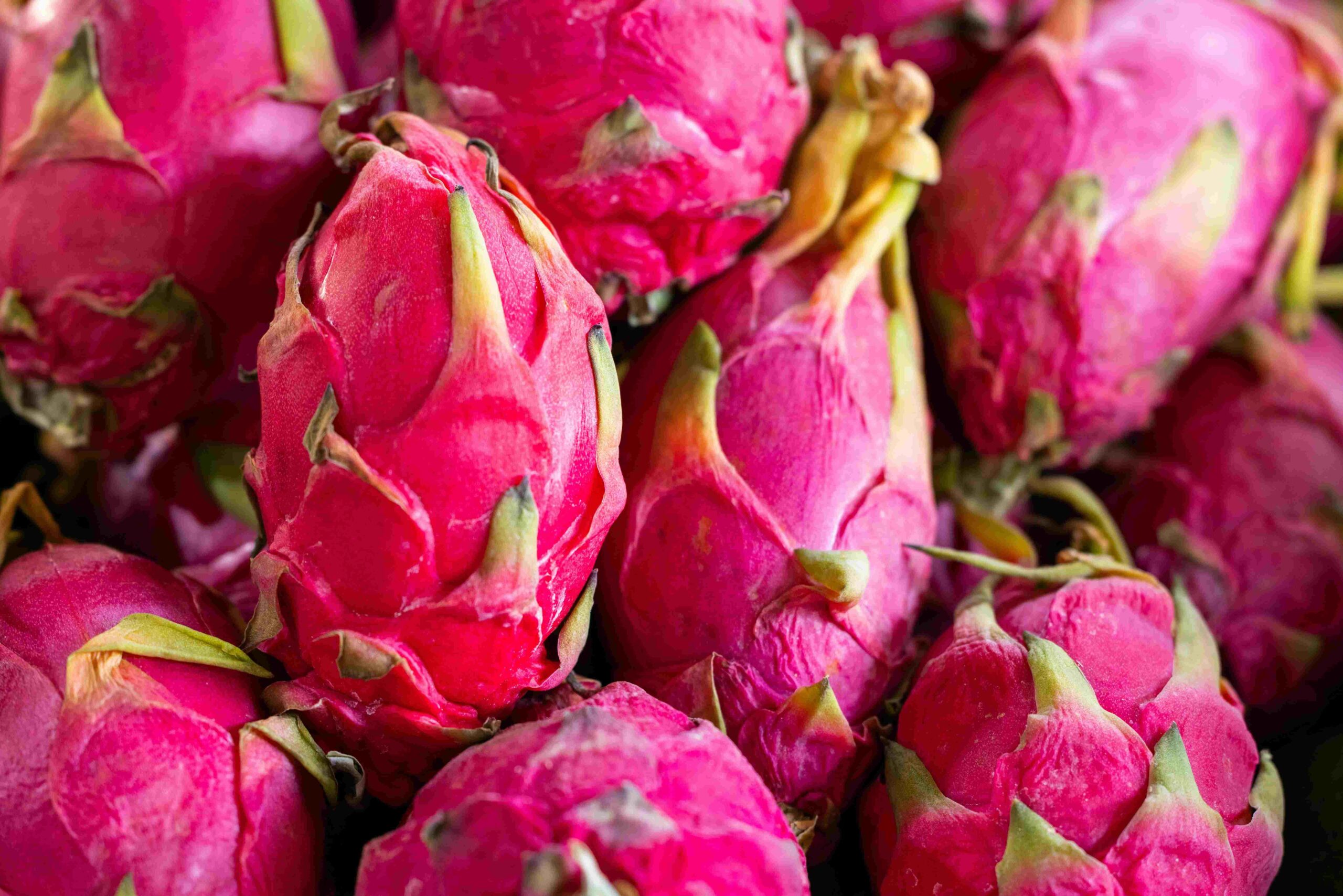
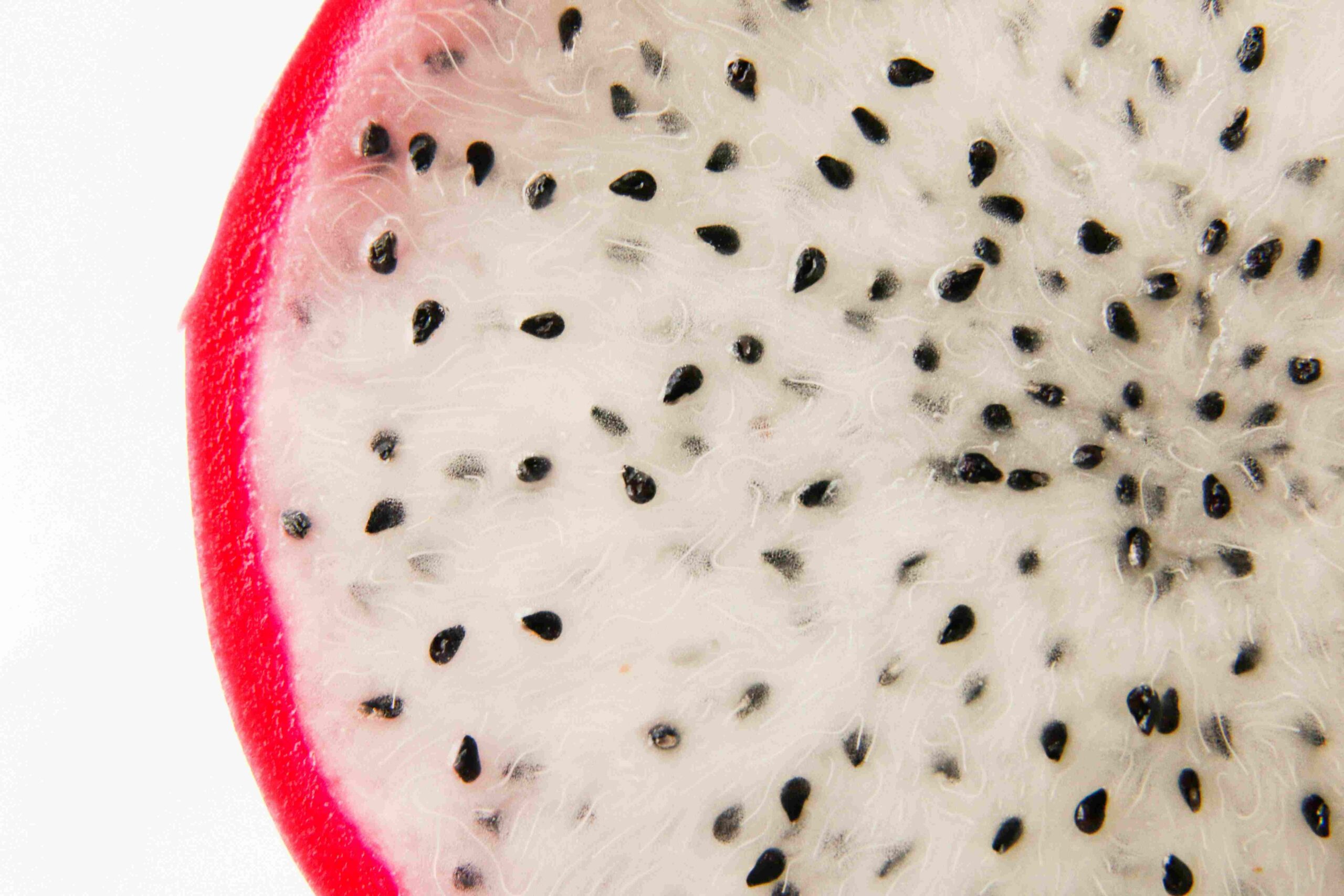
You slice into a fruit that looks like it belongs in a sci-fi movie—vibrant magenta skin with flame-like scales. Inside? Snow-white flesh speckled with tiny black seeds like a starry night sky. You take a bite… and wait for an explosion of flavor.
Instead, you taste something subtly sweet, refreshingly mild—almost like a cross between kiwi and pear.
Welcome to dragon fruit (also called pitaya or pitahaya). This Instagram-famous fruit confuses many first-timers: Is it supposed to taste stronger? Are you eating it wrong? And why do wellness blogs call it a “superfruit”?
Let’s clear the confusion. Dragon fruit isn’t about bold flavor—it’s about texture, visual joy, and quiet nutritional benefits. In this guide, you’ll learn exactly how to eat dragon fruit like a pro, get honest nutrition facts (no exaggerated “superfood” claims), and discover simple ways to enjoy it—even if you’re skeptical about its mild taste.
What Is Dragon Fruit? (Pitaya vs. Pitahaya Explained)
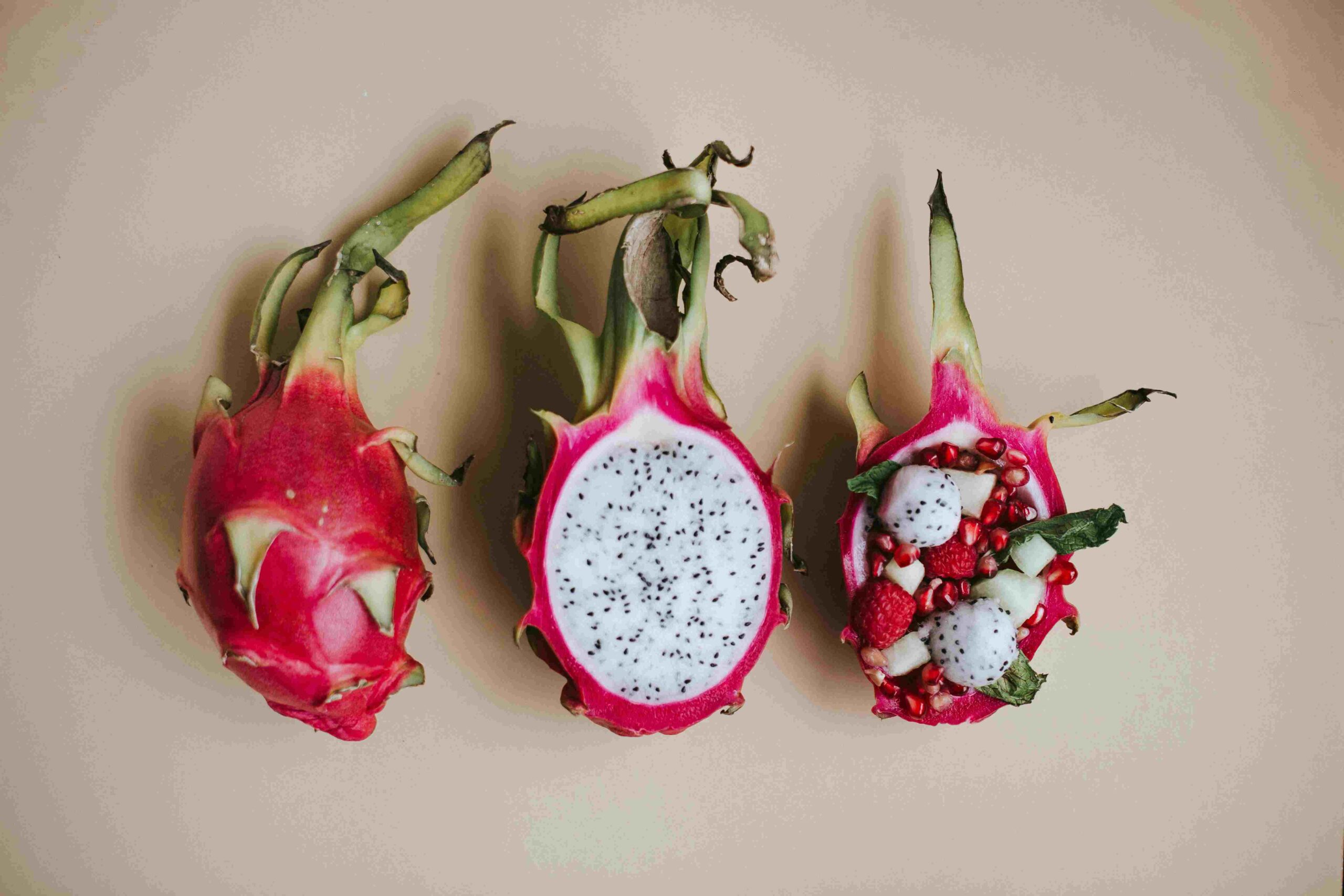
Dragon fruit comes from several species of Hylocereus cactus native to Central America—but now cultivated across Southeast Asia, Australia, and Florida. Despite its tropical vibe, it’s technically a cactus fruit that blooms only at night (earning it the nickname “moonflower fruit”).
Three main varieties you’ll find:
- White dragon fruit (Hylocereus undatus)
- Pink/magenta skin + bright white flesh with black seeds
- Mildest flavor; most common in U.S. grocery stores
- This is the classic “fruit that is white with black seeds” people search for
- Red dragon fruit (Hylocereus costaricensis)
- Pink skin + deep magenta flesh
- Slightly sweeter, higher in antioxidants (betacyanins)
- May temporarily turn urine/stool pink—a harmless effect!
- Yellow dragon fruit (Hylocereus megalanthus)
- Golden-yellow skin + white flesh
- Rarest variety; often considered the sweetest
How to pick a ripe dragon fruit
- Color: Skin should be bright (not dull or brown-spotted)
- Feel: Slight give when gently squeezed—like a ripe avocado
- Leaves: Tips of the “scales” may be slightly dry/brown (sign of maturity)
- Avoid rock-hard fruits (underripe) or mushy ones (overripe)
Dragon Fruit Nutrition Facts: What the Data Really Shows
Let’s cut through influencer hype with USDA FoodData Central numbers for raw white dragon fruit (per 100g / ~⅔ cup flesh):
| Nutrient | Amount | % Daily Value |
| Calories | 60 kcal | — |
| Carbohydrates | 13g | 5% |
| Fiber | 3g | 11% |
| Sugars | 8g (natural) | — |
| Protein | 1.2g | — |
| Vitamin C | 9mg | 10% |
| Magnesium | 28mg | 7% |
| Iron | 0.7mg | 4% |
Note: Red-fleshed varieties contain similar macros but higher antioxidant levels.
Key takeaways:
- Low-calorie: One whole medium dragon fruit (~150g) = ~90 calories
- Fiber-rich: 3g per 100g supports digestion and satiety
- Moderate sugar: 8g natural sugar per 100g—less than banana (12g), mango (14g), or grapes (16g)
- Hydrating: 85% water content makes it ideal for hot days or post-workout refreshment
🚫 Myth busting: Dragon fruit is not “high in sugar” compared to common fruits. Its glycemic index (~48) is moderate—making it suitable for balanced diets when eaten in reasonable portions.
4 Evidence-Based Health Benefits (No Hype)
Dragon fruit isn’t a miracle cure—but research supports several modest benefits:
1. Gut health support
Dragon fruit contains oligosaccharides, natural prebiotics that feed beneficial gut bacteria like Bifidobacteria and Lactobacilli (per a 2013 study in Food Research International). Combined with its 3g fiber per serving, it gently supports digestive regularity—without the bloating some high-fiber foods cause.
2. Antioxidant protection (especially red varieties)

Red dragon fruit’s magenta hue comes from betacyanins—potent antioxidants that combat oxidative stress. A 2020 review in Antioxidants noted these pigments may support cardiovascular health, though human trials are still limited. White varieties contain fewer betacyanins but still offer vitamin C.
3. Hydration + electrolyte balance
With 85% water content plus traces of magnesium and phosphorus, dragon fruit functions as a light, natural hydrator—ideal after light exercise or on hot days.
4. Blood sugar-friendly fruit choice
Its fiber-to-sugar ratio and moderate glycemic index make dragon fruit a smarter fruit choice for those monitoring blood glucose—especially compared to high-sugar fruits like pineapple or watermelon.
⚠️ Important: Benefits are dose-dependent. Eating one dragon fruit weekly won’t transform your health—but incorporating it as part of a diverse, plant-rich diet contributes to overall wellness.
How to Eat Dragon Fruit: A Step-by-Step Guide
Many beginners slice it like an apple—then wonder why they’re chewing tough skin. Here’s the right way:
Method 1: The Spoon Scoop (Easiest)
- Place fruit on cutting board; slice in half lengthwise
- Grab a spoon and scoop flesh directly from the skin (like an avocado)
- Enjoy as-is or add lime juice to enhance subtle sweetness
Method 2: Cubed for Salads/Smoothies
- Slice fruit in half lengthwise
- Use a knife to score flesh into 1-inch cubes while still in skin
- Push skin from bottom to invert cubes outward (“hedgehog method”)
- Slice cubes free with knife or spoon
Pro tips:
- Chill 30 minutes before eating—cold enhances perceived sweetness
- Sprinkle with Tajín or lime juice if you prefer tangy flavors
- Yes, the black seeds are edible! They contain trace omega-3s and add pleasant crunch
💡 Flavor expectation: Dragon fruit is mild—not intensely sweet. Think: kiwi’s texture + pear’s subtlety + hint of melon. It shines as a canvas for other flavors (lime, mint, coconut) rather than a standalone sweet treat.
5 Simple Ways to Enjoy Dragon Fruit Beyond the Spoon
- Dragon Fruit “Poke” Bowl
Cube dragon fruit + mango + cucumber. Toss with lime juice, toasted coconut flakes, and fresh mint. - Naturally Pink Smoothie
Blend ½ dragon fruit + 1 banana + ½ cup coconut water + handful spinach (you won’t taste the greens!). - Frozen Pops
Blend flesh with coconut water; pour into molds. Freeze 4+ hours for hydrating summer treats. - Agua Fresca
Muddle ½ dragon fruit in pitcher. Add 4 cups cold water, lime juice, and mint. Strain and serve over ice. - Yogurt Parfait Layer
Alternate Greek yogurt, dragon fruit cubes, granola, and chia seeds for a visually stunning breakfast.
Common Questions Answered
Q: Are the black seeds edible?
A: Yes! They’re rich in fiber and trace fatty acids. No need to remove them.
Q: Why is my urine pink after eating red dragon fruit?
A: Harmless betacyanin pigments pass through your system. Color returns to normal within 24–48 hours.
Q: Can you eat the skin?
A: No—it’s tough, leathery, and not meant for consumption (though some use it for tea after thorough washing).
Q: How long does it last?
A: Whole fruit: 2 days at room temp. Cut fruit: store in airtight container in fridge up to 3 days.
Conclusion: Dragon Fruit Is Simpler Than You Think
Dragon fruit doesn’t need to be intimidating. It won’t blow your mind with flavor—but it will delight your eyes, support gentle digestion, and add hydrating variety to your fruit rotation.
You now know:
- How to pick a ripe one (bright color + slight give)
- How to cut it properly (halve + scoop—never eat the skin!)
- Its honest nutrition profile (low-cal, 3g fiber, modest sugar)
- Simple ways to enjoy it beyond plain scooping
Your challenge this week: Grab one dragon fruit at the grocery store. Slice it open, scoop the flesh, and add a squeeze of lime. Notice the texture. Appreciate the color. And remember—sometimes the most beautiful foods are the quietest.