


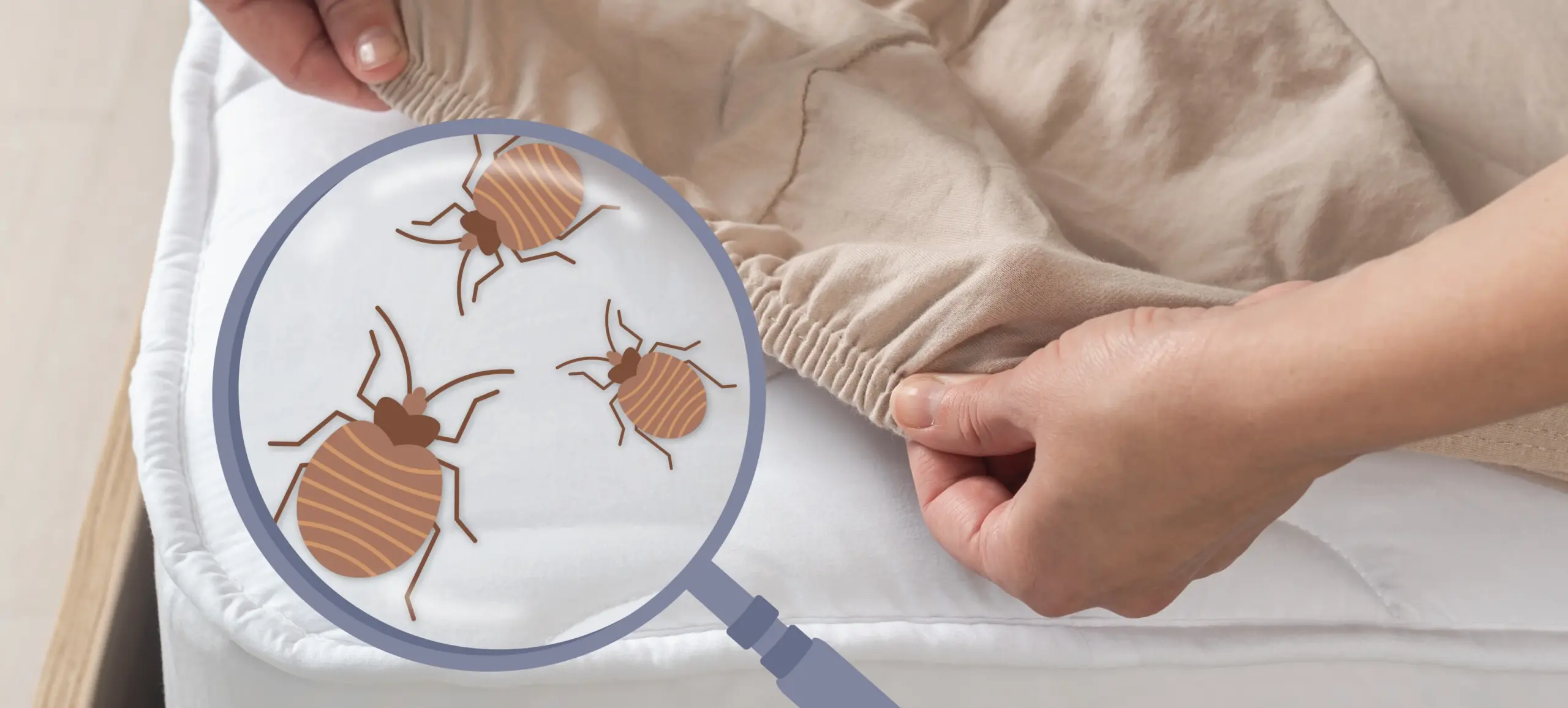
You wake up with a line of red bumps on your wrist. Your partner has similar marks on their thighs. You spend the weekend tearing apart your mattress, washing every sheet in hot water, and Googling “no sign of bed bugs but I have bites” until 2 a.m.
Sound familiar? You’re not alone—and you’re not crazy. According to pest control industry data, bed bug concerns affect millions of households yearly. But here’s what most guides won’t tell you: many “bed bug bites” aren’t from bed bugs at all.
Dermatologists and entomologists agree: bite appearance alone cannot confirm bed bugs. In fact, the CDC notes that reactions to insect bites vary widely based on individual immune response—meaning two people sleeping in the same bed may react completely differently. One might develop large, itchy welts while the other shows no reaction whatsoever.
This guide cuts through the fear. We’ll walk through the 8 most common causes of mysterious nighttime bites (including several you’ve probably never considered), teach you how to inspect like a pro, and give you a clear action plan—so you can stop scratching and start solving.
First, Rule Out Actual Bed Bugs (Even If You Don’t See Them)
Before exploring other causes, it’s responsible to properly rule out bed bugs—but most people inspect incorrectly.
How bed bug bites typically appear
Bed bug bites often show up in one of three patterns:
- Clusters of 3–5 bites in a line or zigzag (“breakfast, lunch, dinner”)
- Random grouped bites where skin contacted the mattress (shoulders, back, arms)
- Delayed reaction: Bites may not appear for 24–48 hours after feeding, making source identification tricky
Important nuance: Not everyone reacts to bed bug saliva. Studies show 20–30% of people show no visible reaction—meaning your partner might be covered in bites while you have none, even with an active infestation.
Bites commonly appear on exposed skin during sleep: wrists, hands, neck, shoulders, and thighs. However, “bed bug bites on wrist” or “bed bug bite thigh” aren’t diagnostic—many insects target these areas. And contrary to popular belief, bed bug bites usually itch intensely, but some people experience minimal or no itching (“bed bug bites no itch”), especially with first-time exposure.
Where to inspect (beyond the mattress)
Bed bugs hide within 5–8 feet of where you sleep. Check these commonly missed spots with a flashlight and credit card (to scrape seams):
- Mattress tags and piping
- Box spring corners and fabric tears
- Headboard cracks and screw holes
- Electrical outlets near the bed
- Behind picture frames on bedroom walls
- Luggage stored under the bed
Signs people miss
You might not see live bugs but could spot:
- Dark fecal spots (like marker dots) on mattress seams—wipe with a damp cloth; if it smears rusty red, it’s digested blood
- Translucent shed skins (exoskeletons left behind as nymphs grow)
- Tiny white eggs (1mm long) in crevices
- Musty, sweet odor in severe infestations (often described as “overripe raspberries”)
If you find zero evidence after a thorough 15-minute inspection using this method, bed bugs become less likely—but don’t stop investigating yet.
5 Insects That Bite at Night (And Leave You Wondering)
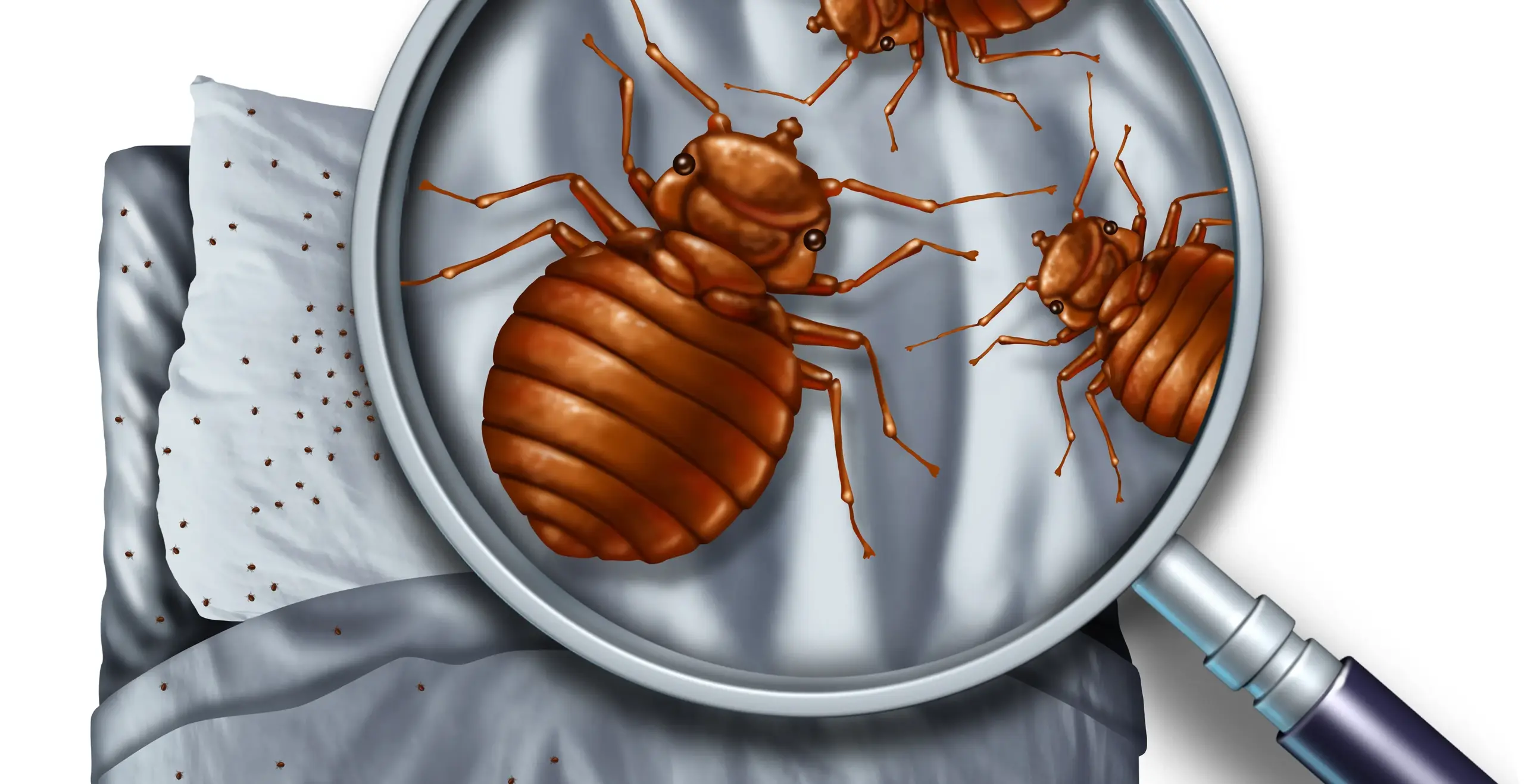
If bed bugs are ruled out, several other nighttime biters could be the culprit—especially if you’re noticing “bug bites on feet in bed” or bites appearing seasonally.
Bat bugs & bird mites: The wildlife connection
Bat bugs look nearly identical to bed bugs under a microscope but feed primarily on bats. If bats roost in your attic or wall voids, these bugs may wander into living spaces when bat colonies leave or die off. Similarly, bird mites infest homes after birds nest in eaves or vents—and abandon nests in fall/winter. Both cause itchy bites but won’t establish long-term infestations without their primary host.
Clue: Bites intensify after wildlife removal or seasonal bird migration. Check rooflines and attic access points.
Fleas: Not just a pet problem
Flea bites typically cluster around ankles and lower legs (“bug bites on feet in bed”), but they’ll bite anywhere accessible while you sleep. Even homes without pets can harbor fleas if:
- Previous tenants had animals
- Wildlife (raccoons, squirrels) nested under decks or in crawl spaces
- You recently visited an infested location
Clue: Flea bites often have a tiny puncture mark in the center and appear in groups of 3–4.
Mosquitoes: Yes, even indoors in winter
Many assume mosquitoes vanish in cold months—but they survive indoors in heated apartments, sewers, or attached garages. Culex pipiens (the northern house mosquito) readily bites at night and breeds in stagnant water sources as small as a bottle cap.
Clue: Single, isolated bites (not clusters) with a central blister. Check window wells, plant saucers, and bathroom drains for standing water.
Rodent mites: The hidden infestation
When mice or rats nest inside walls, their mites may bite humans when rodent populations decline or move. These microscopic pests cause intensely itchy red bumps, often on arms and torso.
Clue: Simultaneous signs of rodents—droppings, gnaw marks, scratching sounds in walls—especially during colder months when wildlife seeks warmth.
No-see-ums & biting midges
These tiny flies (1–3mm) slip through standard window screens and bite at dusk/dawn. Though more common outdoors, they enter homes through open doors and bite exposed skin while you sleep.
Clue: Bites feel like sharp pinpricks and develop into hard, itchy welts within hours.
3 Non-Insect Causes That Mimic Bed Bug Bites
Sometimes the culprit isn’t a bug at all. Dermatologists report that up to 40% of suspected “bed bug bite” cases are actually skin conditions.
Scabies: The burrowing mite
Scabies mites tunnel under skin, causing a pimple-like rash and intense itching that worsens at night. Common sites include wrists, between fingers, elbows, and waistline—not random body locations like true insect bites.
Critical difference: Scabies spreads through prolonged skin-to-skin contact (not via bedding alone). If multiple household members develop worsening rashes over 2–6 weeks, see a doctor immediately for prescription permethrin cream.
Contact dermatitis & hives
Allergic reactions to:
- New laundry detergents or fabric softeners
- Dyes in pajamas or sheets
- Skincare products applied before bed
- Medications (some antibiotics cause delayed rashes)
These often appear as raised, red patches that may resemble “bed bug bites and rashes”—but lack the central puncture mark of true bites. They also tend to appear on skin that contacted the allergen (e.g., torso where shirt touched skin).
Folliculitis & fungal infections
Inflammation of hair follicles (folliculitis) or fungal conditions like tinea corporis can mimic bug bites—especially on thighs or buttocks where friction and moisture accumulate. These typically present as uniform red bumps without the irregular clustering of insect bites.
Clue: “Bites” that don’t itch or actually burn/sting may be fungal or bacterial rather than insect-related.
Why You Might Get Bites Only in Winter
If you’re searching “bug bites in winter,” you’re not imagining things. Three factors explain seasonal nighttime bites:
- Indoor heating dries skin, making minor irritations more noticeable and itchy
- Holiday travel increases exposure risk—bed bugs hitchhike in luggage during peak vacation season
- Wildlife seeks shelter—mice, bats, and birds move into attics/walls when temperatures drop, bringing their parasites with them
Winter bites without visible pests often trace back to rodent mites or scabies—not bed bugs, which remain active year-round indoors.
Your 4-Step Action Plan
Stop guessing. Follow this evidence-based protocol:
Step 1: Document for 3 days
Take dated, well-lit photos of bites. Note: location on body, time of appearance, itch intensity (1–10 scale), and whether new bites emerge overnight.
Step 2: Inspect correctly
Spend 15 minutes inspecting with a bright flashlight. Focus on mattress seams, box spring, headboard, and baseboards—not just surface-level searching.
Step 3: Trap for 7 days
Place ClimbUp Interceptors (or DIY traps using double-sided tape) under all four bed legs. Bed bugs crawling to feed will get stuck. No trapped bugs after 7 nights = very low likelihood of infestation.
Step 4: Decide your next move
- If traps catch bugs → Call licensed pest control immediately
- If bites worsen/spread without bugs found → See a dermatologist
- If bites resolve after changing detergent/sheets → Likely contact dermatitis
When to See a Doctor vs. Call an Exterminator
See a doctor if:
- Bites blister, ooze pus, or show red streaks (signs of infection)
- Rash spreads rapidly or covers large body areas
- You suspect scabies (intense nighttime itch + household members affected)
- Bites persist >2 weeks without explanation
Call a pest professional if:
- You find live bugs, eggs, or fecal spots
- Interceptor traps catch crawling insects
- You’ve recently traveled and bites appeared within 2 weeks of return
⚠️ Important disclaimer: This article provides general educational information only and does not diagnose medical conditions or pest infestations. Unexplained bites warrant evaluation by qualified healthcare providers or licensed pest management professionals. Never apply pesticides to skin or bedding without professional guidance.
Conclusion: You Have More Control Than You Think
Waking up with mysterious bites triggers real anxiety—but knowledge replaces fear with agency. Remember:
- Bite appearance alone never confirms bed bugs
- Most “no sign of bed bugs but I have bites” cases trace to other insects or skin conditions
- Systematic inspection + trapping beats frantic mattress disposal
- Winter bites often have logical explanations unrelated to bed bugs
You now have a clear roadmap: inspect properly, trap objectively, document symptoms, and consult the right professional based on evidence—not panic.
Sleep should be restorative—not a source of mystery bites. With the right approach, you’ll solve this faster than you think.