


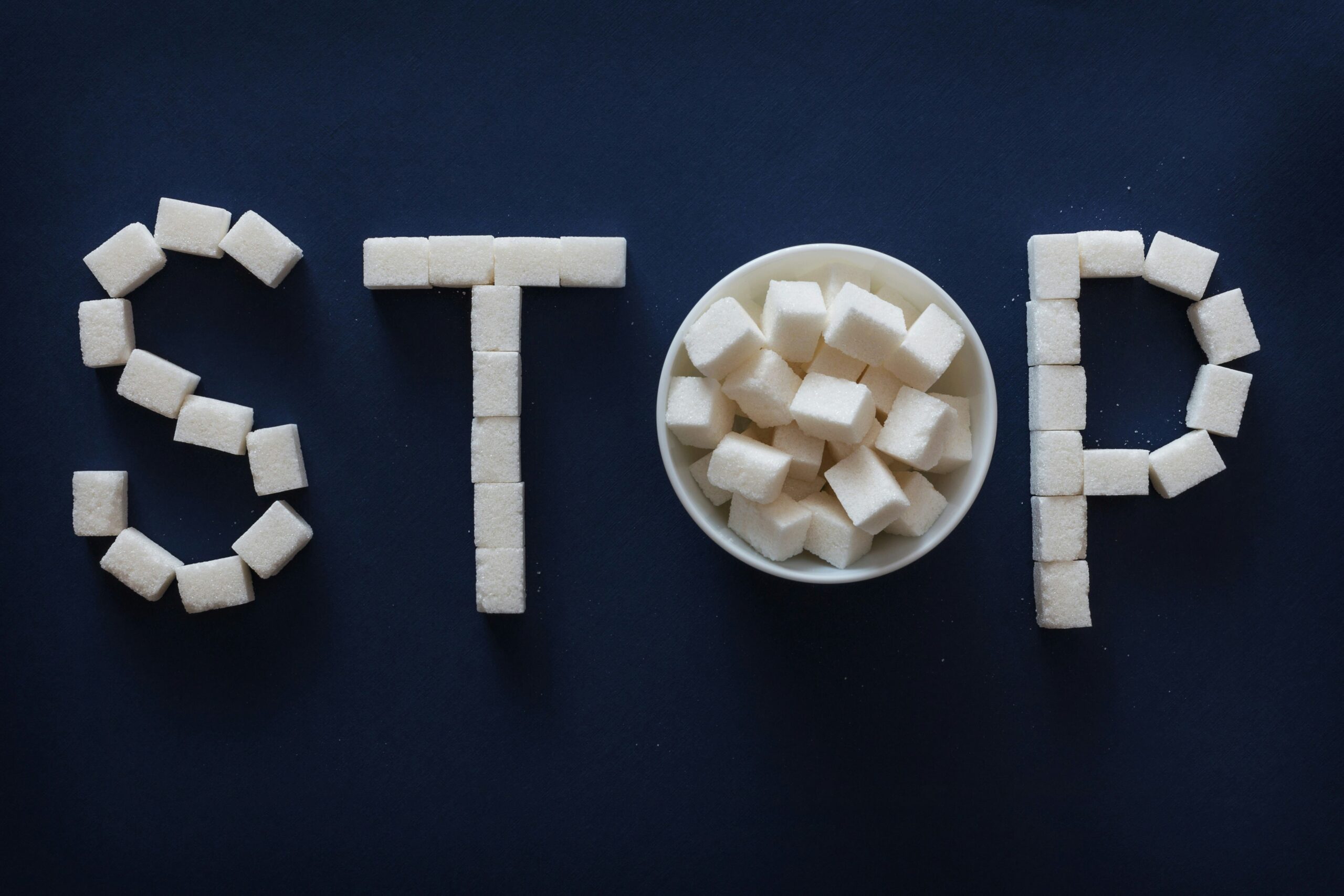
Nutrition labels now prominently display how 10 grams of sugar looks, but it’s hard to grasp what those numbers truly represent in real life. Seeing the physical amount can be eye-opening and help you make informed choices.
Added sugars differ from naturally occurring ones (like in fruit or milk). They include sweeteners added during processing or preparation, contributing empty calories without nutrients.
Health organizations set clear limits:
- The American Heart Association (AHA) recommends no more than 25 grams (6 teaspoons) of added sugar daily for women and 36 grams (9 teaspoons) for men.
- The World Health Organization (WHO) suggests limiting free sugars to less than 10% of total energy intake (about 50 grams for a 2,000-calorie diet), with further benefits below 5% (around 25 grams).
Yet, average U.S. adults consume about 68-77 grams daily—far exceeding recommendations. This excess links to weight gain, type 2 diabetes, heart disease, tooth decay, and inflammation.
This guide visualizes common amounts using teaspoons (≈4 grams each) and sugar cubes (≈4 grams each), focusing on 10 grams while covering others from your searches.

The Basics: How Much is 1 Gram of Sugar?
One gram of granulated sugar is tiny—about a pinch or ¼ teaspoon. It’s barely visible but adds up quickly.
Standard conversions (nutrition labels round for simplicity):
- 1 level teaspoon of granulated sugar ≈ 4 grams (precisely ~4.2 grams).
- 1 standard sugar cube ≈ 4 grams (typically 3-5 grams, averaging 4).
These help scale visuals accurately.

What Does 10 Grams of Sugar Look Like?
10 grams often appears in “low-sugar” claims or single servings, making it a frequent query.
Visually:
- Approximately 2.5 level teaspoons (two full teaspoons plus half).
- About 2.5 sugar cubes stacked.
It’s a small mound—fitting on a tablespoon with room to spare—but consuming several servings multiplies it fast.
Common examples with ~10 grams added sugar:
- Some flavored yogurts (e.g., certain low-fat varieties add ~9-14g).
- Granola bars or small energy bars.
- A medium banana (~14g natural sugars, no added).
Visual Guide to Other Common Sugar Amounts
Here are the amounts you searched for, with equivalents and context.
5 Grams of Sugar
- ~1.25 teaspoons (one teaspoon plus a quarter).
- A modest pile, often in “reduced sugar” products.
9 Grams of Sugar
- ~2.25 teaspoons.
- Common in some cereals, coffee drinks, or single-serve yogurts (e.g., Chobani flavored varieties ~9g added).
14 Grams of Sugar
- ~3.5 teaspoons.
- Found in many flavored yogurts or small juices.

27 Grams of Sugar
- ~6.75 teaspoons.
- Approaches women’s daily AHA limit; seen in larger snacks or combined items.
28 Grams of Sugar
- ~7 teaspoons.
- A substantial stack of cubes—visually alarming.
33 Grams of Sugar
- ~8.25 teaspoons.
- Common in desserts or medium drinks.
60 Grams of Sugar
- ~15 teaspoons.
- Matches some large energy drinks or multiple snacks—shocking when piled!

Why These Amounts Matter: Hidden Sugars in Everyday Foods
Visuals become powerful next to products, revealing hidden added sugars.
Examples:
- 12-oz can of cola → ~39g added sugar (~10 teaspoons).
- Flavored yogurt cup (e.g., fruit-on-bottom) → Often 9-20g added.
- Breakfast cereal serving → 9-14g common in sweetened varieties.
- Large soda or energy drink → Up to 60g.
- Natural vs. added: A banana has ~15g natural sugar (with fiber to slow absorption); soda’s added sugar spikes blood sugar faster.
Half of added sugars come from beverages, but cereals, yogurts, sauces, and breads contribute significantly.

Health Impacts of Excess Added Sugar
Excess added sugar provides calories without nutrients, leading to:
- Rapid blood sugar spikes and crashes (unlike natural sugars with fiber).
- Increased risk of obesity, insulin resistance, and type 2 diabetes.
- Higher cardiovascular disease risk (inflammation, high triglycerides).
- Dental caries (cavities) from feeding mouth bacteria.
- Potential fatty liver disease from fructose overload.
Reducing intake improves energy, weight management, and long-term health.

Tips to Reduce Added Sugar
- Read labels — Aim for <5-10g added sugar per serving; check “Added Sugars” line.
- Choose wisely — Plain yogurt + fresh fruit; unsweetened cereals; water over soda.
- Swap smart — Use fruit for sweetness; try herbs/spices in place of sugar.
- Visualize daily — Measure your limit (e.g., 25g pile) once for perspective.
- Focus on whole foods — Fruits provide natural sugars + fiber, vitamins, slowing absorption.
Conclusion
Visualizing grams transforms abstract labels into tangible reality. 10 grams is just 2.5 teaspoons—seemingly small, but daily sources accumulate rapidly. Higher amounts like 33g or 60g shock when seen as piles or cubes.
Use these visuals to check labels and stay within guidelines (25-36g max). Small swaps yield big health benefits—mindful eating starts with seeing the sugar!