


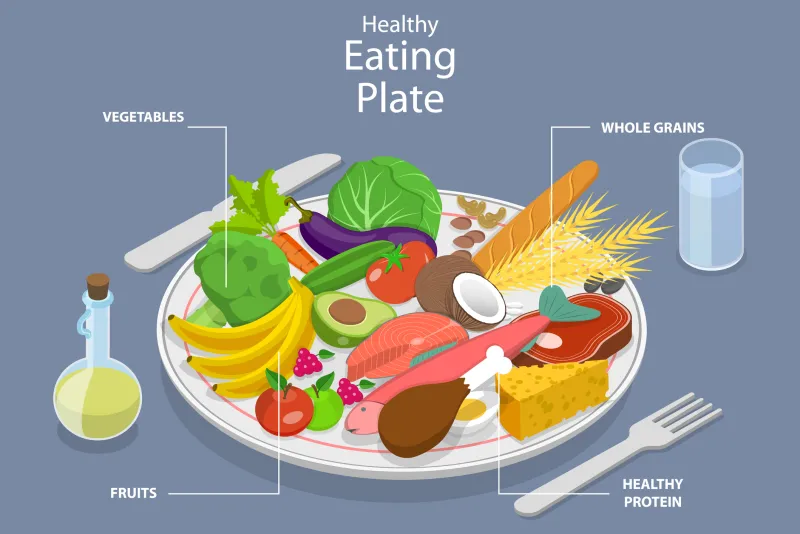
Hey, if you’re knee-deep in the weight loss game and staring at your plate wondering, “How Many Carbs Per Day to Lose Weight?”—I’ve been there. Carbs get demonized like they’re the villain in every diet story, but the truth? It’s not about slashing them to zero (unless keto’s your jam). It’s about smart amounts, quality choices, and fitting them into a calorie deficit that doesn’t leave you hangry or stalled. No extremes, just sustainable stuff that works for real life.
Drawing from the latest 2020-2025 Dietary Guidelines for Americans (still the gold standard in 2025), carbs should be 45-65% of calories for general health—that’s 225-325g on 2,000 calories. But for weight loss? Dial it back to moderate low-carb: 100-150g/day for most folks. This range (backed by Healthline, Cleveland Clinic, and studies like those in Nutrients 2025) promotes fat loss, keeps energy steady, and preserves muscle—especially with higher protein.
Why this sweet spot? Very low-carb (<50g, like keto) torches fat fast initially but can dip energy (StatPearls 2025). Too high (300g+), and you might overshoot calories. 100-150g? Steady wins: better satiety, blood sugar control, and adherence (Ro.co, Verywell Health).
Step 1: Calories Trump Everything—Find Your Deficit

Weight loss boils down to burning more than you eat: 500-calorie daily deficit = ~1lb/week (safe, per experts). Skip this, and no macro magic saves you.
Quick TDEE Hack (Total Daily Energy Expenditure—your burn rate): Use Mifflin-St Jeor formula for BMR, then multiply by activity.
- Woman, 30yo, 70kg (154lbs), 165cm (5’5″), sedentary (desk job, little movement): BMR ~1,446 cal. TDEE = 1,446 x 1.2 = 1,735 cal maintenance. For loss: 1,235-1,500 cal/day (web:40-45 examples).
Man, same stats? BMR ~1,660, TDEE ~2,000. Apps like MyFitnessPal or TDEE calculators nail it—recalc every 4-6 weeks as you slim down.
Step 2: Carbs—100-150g/Day for Most
- Sedentary/low activity: 100-130g (26% or less calories = “low-carb” per NCBI).
- Active (gym 3x/week): 130-150g (fuels workouts without storage).
- Keto/very low: <50g (if insulin-resistant/diabetic—monitor with doc).
- Minimum: 130g (RDA for brain fuel, Mayo Clinic).
On 1,500 cal: 100g carbs = 400 cal (27%), leaving room for protein/fat. Track 1-2 weeks—adjust if hungry/fatigued.
Step 3: Macro Ratios That Actually Work for Fat Loss

Dietary Guidelines: Carbs 45-65%, protein 10-35%, fat 20-35%. For loss? Bump protein (1.6-2.2g/kg bodyweight = satiety, muscle-sparing—Healthline, Levels Health).
Top ratios (research-backed):
- Balanced starter (40/30/30): 40% carbs (~150g on 2,000 cal), 30% protein (150g), 30% fat (67g). Great for beginners—Women’s Health Mag, MyFitnessPal.
- Higher protein (30/40/30): 30% carbs (150g), 40% protein (200g), 30% fat. Muscle-focused (Bodybuilding.com).
- Moderate low-carb (25/35/40): 25% carbs (125g), 35% protein, 40% fat (endomorphs/slower metabolism—Prospect Medical).
Why protein-heavy? Burns more digesting (20-30% TEF vs carbs 5-10%), curbs hunger (Obesity Reviews). Fat? Keeps hormones happy (don’t drop below 20%).
Pro tip: 1g protein/carbs = 4 cal, fat=9. For 70kg woman (1,500 cal, 40/30/30): Carbs 150g (600 cal), protein 113g (450 cal), fat 50g (450 cal).
Step 4: Quality Over Quantity—Healthy Carbs That Fill You Up

Ditch white bread/soda (empty spikes). Go complex/fibrous (GI <55, fiber >25g/day—EatingWell, Harvard Nutrition Source):
- Oats/Quinoa: 27-40g/cup cooked, beta-glucan fiber curbs appetite (27g carbs/oats serving).
- Sweet potatoes: 24g/medium, resistant starch for gut/weight (TODAY.com #1 pick).
- Legumes (lentils/beans): 40g/cup, 16-18g fiber+protein—fullness king (Nutrisense).
- Berries/apples: 15-20g/cup, antioxidants+low cal.
- Veggies (broccoli/zucchini): <10g/cup, unlimited volume.
- Whole grains (barley/brown rice): Steady energy.
Avoid: Potatoes (high GI), refined grains. Aim 25-30g fiber (Obesity Medicine Assoc).
Proteins: Chicken/turkey/fish/eggs/Greek yogurt/tofu (lean, 20-40g/meal).
Fats: Avocado/nuts/olive oil/fatty fish (portion: thumb-size).
Supps (optional): Protein powder (hits grams easy), fiber (psyllium if low), creatine (muscle/energy).
Sample Day: 1,500 Cal, ~140g Carbs (40/30/30)

- Breakfast (35g carbs): Greek yogurt (20g protein) + 1/2 cup oats (27g carbs) + berries. ~350 cal.
- Snack: Apple + almonds (15g carbs). ~200 cal.
- Lunch (40g carbs): Grilled chicken salad (30g protein) w/ quinoa (20g carbs), veggies, olive oil. ~400 cal.
- Snack: Cottage cheese + cucumber (5g carbs). ~150 cal.
- Dinner (45g carbs): Salmon (25g protein), sweet potato (24g carbs), broccoli. ~400 cal.
- Total: 140g carbs, 110g protein, 50g fat. Filling, from Healthline/EatingWell plans.
- 7-Day Twist: Swap proteins, rotate carbs (lentils Mon, quinoa Wed). Intermittent fasting? Skip breakfast, hit 100g in 2 meals (TODAY.com).
Tracking & Tweaks: Make It Stick
- Apps: MyFitnessPal (scan barcodes), Cronometer (micronutrients).
- Progress: Weigh weekly, measure waist, photos. Plateau? Drop 10-20g carbs or add walks (8-10k steps boosts NEAT 15-30% TDEE).
- Listen Up: Tired? Up carbs 20g. Bloated? More fiber/protein. Women: Cycle-sync (higher carbs follicular phase).
- Common Pitfalls: Undereating protein (<1.6g/kg = muscle loss), ignoring fiber (constipation), all-or-nothing (one slip = binge).
Pair with strength 3x/week + 10k steps—burns fat, not muscle (Levels Health).
Bottom Line: Sustainable Wins
100-150g quality carbs/day in a 40/30/30 split? You’ll lose 1-2lbs/week, feel energized, and stick it long-term (vs keto burnout). It’s personal—test 2 weeks, adjust. Got diabetes/thyroid? Doc first (ADA 2025 standards).
You’re not a robot; eat foods you love (quinoa bowls > sadness). Small tweaks = big drops. Track, lift, walk—you’ll crush it. Questions? Dietitian consult seals it. Go get that lean feel!