


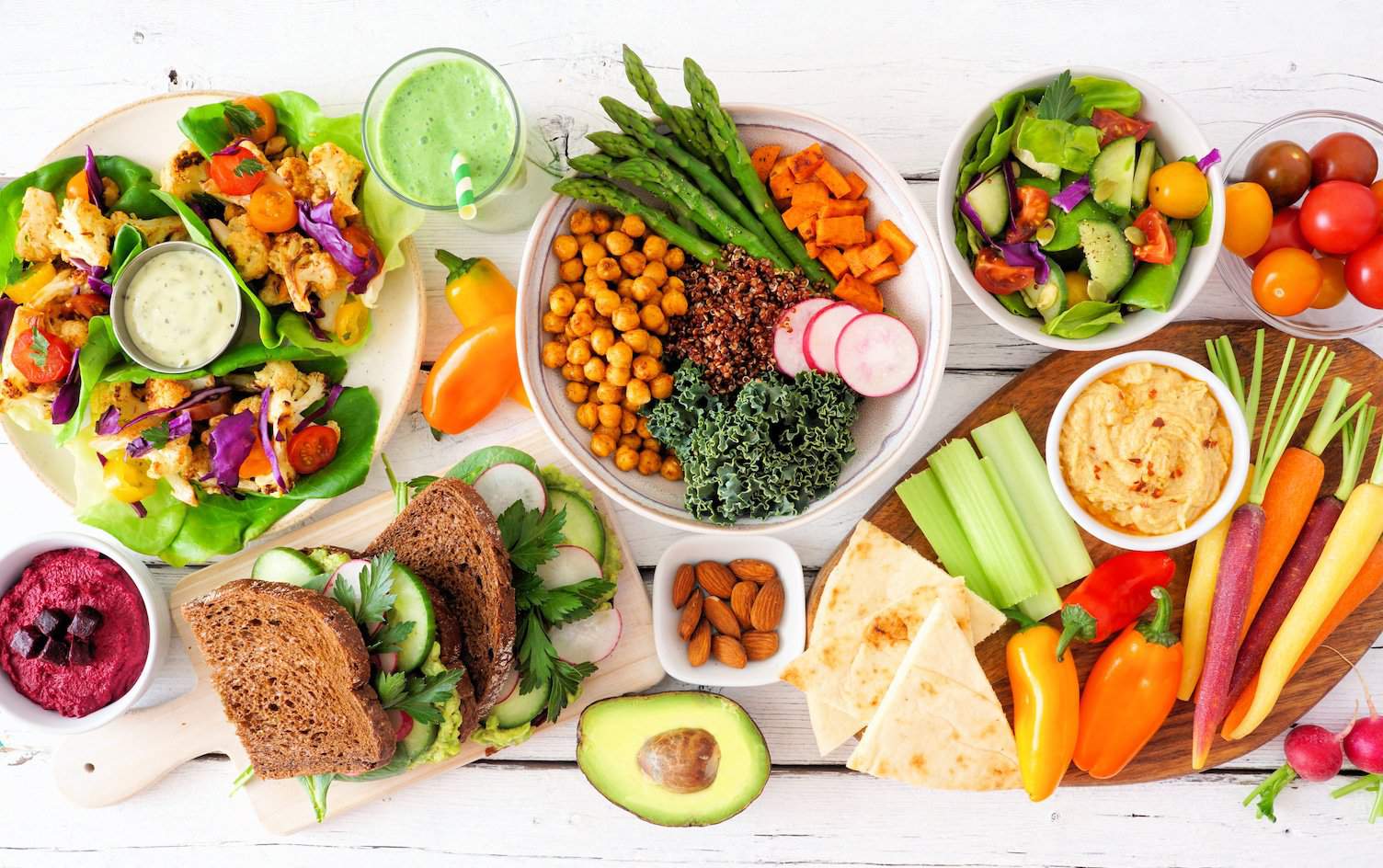
The Dr. Valencia Diet, often called the Valencia Lifestyle, is a popular eating approach created by Dr. Daniel Valencia, a Doctor of Osteopathic Medicine known for his TikTok videos sharing health tips in English and Spanish. This Mediterranean-inspired plan emphasizes whole, unprocessed foods, high protein intake, and structured meals to support weight loss, hormone balance, reduced inflammation, and better overall health.
While it gained massive traction on social media as a sustainable “lifestyle” rather than a strict fad diet, its principles draw from evidence-based patterns like the Mediterranean diet. This guide breaks down what the diet involves, its potential benefits, key rules, sample meals, and important considerations before trying it.
Visual of a colorful Mediterranean-style plate loaded with fresh fruits, vegetables, lean proteins, and whole grains.
What Is the Dr. Valencia Diet?

Developed by Dr. Daniel Valencia, the plan focuses on nutrient-dense, plant-forward eating with built-in flexibility. It’s designed for long-term adherence, incorporating intermittent fasting and allowing occasional cheat meals.
Core elements include:
- Whole foods priority: Unlimited non-starchy vegetables and moderate fruits.
- High protein: Aim for about 1 gram per pound of ideal body weight, often from plant-based or non-meat sources like eggs, Greek yogurt, tofu, legumes, or cottage cheese (though lean meats are permitted in moderation).
- Calorie guideline: Around 1,500 calories per day for many adults, creating a moderate deficit for weight loss.
- Intermittent fasting: 12-14 hours overnight (e.g., finish dinner by 7 PM and eat breakfast at 9 AM).
- Flexibility: Up to 4 cheat meals per week to make it sustainable.
The diet is not strictly vegetarian but leans heavily plant-based, similar to the Mediterranean diet, which is linked to lower risks of heart disease, diabetes, and inflammation.
Infographic comparing the Valencia Diet to the Mediterranean Diet, highlighting similarities in whole foods and differences in structured protein/calorie targets.
Key Principles and Meal Structure

Dr. Valencia provides a simple framework for daily meals:
- Breakfast: 3 fruits + 1 non-meat protein (e.g., Greek yogurt with berries, apple, and banana).
- Lunch: 3 vegetables + 1 protein + 1 carb (e.g., grilled chicken or tofu with broccoli, spinach, carrots, and quinoa).
- Dinner: Vegetables + 1 non-meat protein + 1 fruit (e.g., salad with eggs or cottage cheese and an orange).
- Snacks/Hydration: Focus on water, herbal tea, or black coffee. A popular “Valencia juice” (fresh blends like celery, cucumber, pineapple, beet, ginger, and lemon) is often recommended as a low-calorie, anti-inflammatory boost.
Emphasize low-glycemic options for blood sugar control, especially if managing insulin resistance or diabetes.
Examples of vibrant, fresh Valencia Diet meals: fruit-packed breakfast bowls, veggie-heavy lunches, and simple protein-focused dinners.
Potential Benefits
Many followers report quick results, such as weight loss, improved energy, better blood sugar control, and reduced bloating. These align with research on similar patterns:
- High vegetable/fruit intake supports fiber-rich digestion and satiety.
- Adequate protein preserves muscle during weight loss.
- Moderate calorie restriction and fasting may improve metabolic health.
- Plant-forward eating reduces inflammation and supports heart health.
The built-in cheat meals promote adherence, unlike highly restrictive plans.
Sample Recipes and Ideas
- Breakfast: Greek yogurt parfait with strawberries, kiwi, and blueberries.
- Lunch: Stir-fried tofu with zucchini, bell peppers, onions, and brown rice.
- Dinner: Large salad with boiled eggs, mixed greens, tomatoes, and an apple on the side.
- Valencia Juice: Blend pineapple, beet, ginger, celery, and lemon for a refreshing, nutrient-packed drink.
Close-up images of easy Valencia Diet recipes, like fresh juices, yogurt bowls, and colorful veggie stir-fries.
Risks and Considerations
While the diet’s focus on whole foods is generally healthy, the 1,500-calorie target may be too low for some (especially taller, active individuals or men), potentially leading to fatigue or nutrient gaps. The high protein goal could strain kidneys if you have pre-existing issues.
There’s no long-term research specifically on the Valencia Diet—benefits are extrapolated from Mediterranean-style eating. It’s not one-size-fits-all; factors like age, activity level, and medical conditions matter.
Who Should Try It?
This plan may suit those seeking a structured yet flexible approach to weight loss or healthier eating, particularly if inspired by Mediterranean principles. It’s popular among people managing blood sugar or seeking anti-inflammatory benefits.
When to Consult a Professional
Always talk to a doctor or registered dietitian before starting, especially if you have health conditions, are pregnant, or take medications. They can adjust calories/protein to your needs and monitor progress.
Conclusion
The Dr. Valencia Diet offers a practical, food-focused lifestyle emphasizing real, nourishing ingredients with room for enjoyment. By prioritizing plants, protein, and mindful habits, it can support sustainable weight loss and wellness for many. Success comes from consistency and personalization—listen to your body and seek expert guidance for the best results. If you’re ready for a fresh, vibrant way of eating, this viral plan might be worth exploring.